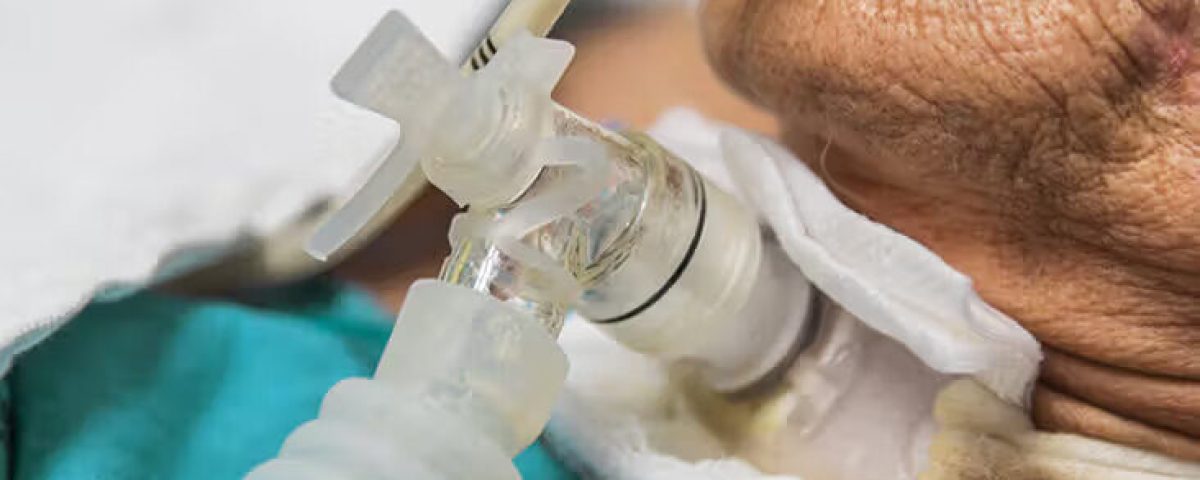
A tracheostomy tube change is a critical procedure to maintain airway patency, prevent infection, and manage complications like tube obstruction or dislodgement.
1. Indications for Tracheostomy Tube Change
✔ Routine change (every 1–4 weeks, depending on tube type)
✔ Tube blockage/occlusion (secretions, granulation tissue)
✔ Cuff leak or rupture (loss of seal in mechanical ventilation)
✔ Tracheostomy site infection (purulent discharge, cellulitis)
✔ Tube displacement/malposition (accidental decannulation)
2. Equipment Needed
- New tracheostomy tube (same size or smaller if stoma tight)
- Sterile gloves, gauze, saline
- Water-soluble lubricant
- Tracheostomy ties/velcro strap
- Suction catheter & Yankauer
- Rescue tube (1 size smaller, in case of difficulty)
3. Step-by-Step Tube Change
A. Preparation
- Explain the procedure to the patient (if conscious).
- Pre-oxygenate (if on ventilator, use 100% FiO₂ for 3 minutes).
- Suction the existing tube to clear secretions.
- Check cuff integrity (if applicable).
B. Tube Removal & Insertion
- Loosen old ties, hold tube securely.
- Use a sterile suction catheter for suctioning.
- Deflate cuff (if present), gently remove tube.
- Inspect stoma (clean with saline if crusted).
- Lubricate the new tube, and insert it at a 45° downward angle.
- Remove obturator immediately (if used).
- Inflate cuff (if needed), confirm placement:
- Bilateral chest rise
- CO₂ detection (if ventilated)
- No stridor/respiratory distress
C. Securing the Tube
- Tie the new straps (1–2 finger tightness).
- Confirm placement with auscultation/suction.
4. Emergency Scenarios & Troubleshooting
| Problem | Action |
| Unable to reinsert the tube | Use a smaller rescue tube, call for help |
| False passage creation | Stop, oxygenate, consider oral intubation |
| Bleeding at the stoma | Apply pressure, suction, and consult ENT |
| Respiratory distress post-change | Check for obstruction, suction, and reassess the position |