Home dialysis allows patients with chronic kidney disease (CKD) or kidney failure to perform dialysis treatments in the comfort of their homes. This guide covers types, benefits, requirements, and how to get started.
What is Home Dialysis?
A medical procedure that filters waste and excess fluids from the blood (replacing kidney function) at home instead of a clinic.
Two Main Types:
- Peritoneal Dialysis (PD)
- Uses the lining of the abdomen (peritoneum)as a filter.
- Cycler-assisted (automated) or manual (CAPD).
- Done daily(gentler on the body).
- Home Hemodialysis (HHD)
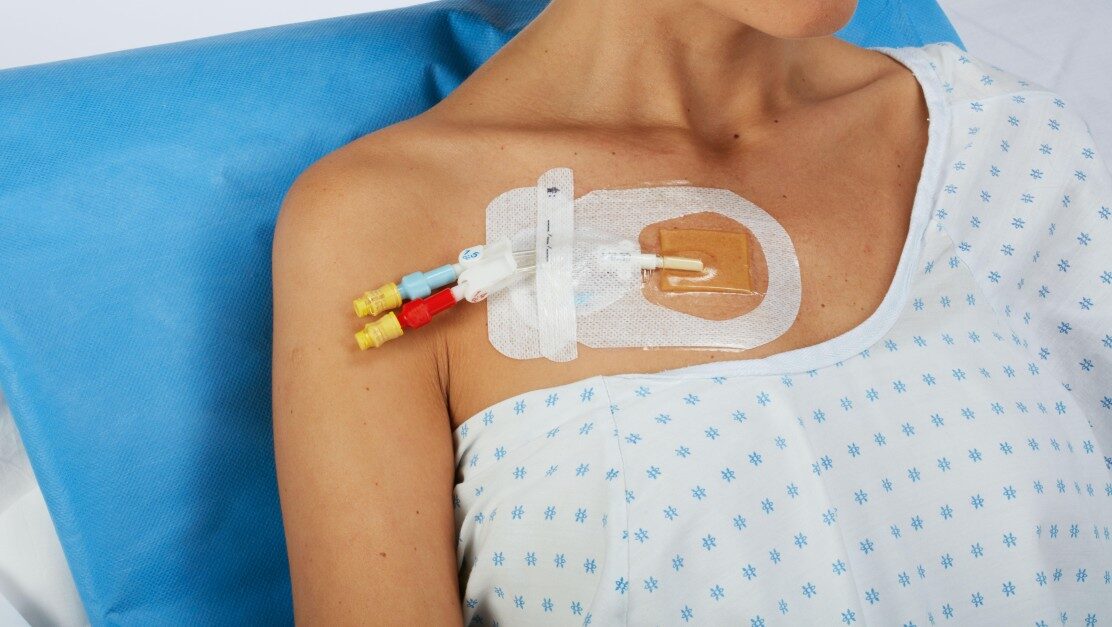
- Uses a dialysis machine & vascular access (fistula/graft).
- Can be done 3–7 times/week(shorter or overnight sessions).
Who is Eligible for Home Dialysis?
✔ Stable kidney failure patients (not in acute crisis).
✔ Motivated & able to learn the procedure.
✔ Good home support system (caregiver may be needed).
✔ Adequate space & hygiene at home.
(Not suitable for patients with severe infections, unstable heart conditions, or cognitive impairments.)
Benefits of Home Dialysis vs. Clinic Dialysis
| Factor | Home Dialysis | Clinic Hemodialysis |
| Schedule | Flexible (overnight/daily) | Fixed (3x/week, 4hrs/session) |
| Diet & Fluid Limits | Less restrictive | Strict limitations |
| Effectiveness | More frequent = better toxin removal | Standard filtering |
| Independence | More control over treatment | Clinic-dependent |
| Cost | Often cheaper long-term | Higher clinic fees |
Equipment & Supplies Needed
Peritoneal Dialysis (PD)
- PD Catheter(implanted in abdomen).
- Dialysis solution bags.
- Cycler machine (for automated PD).
Home Hemodialysis (HHD)
- Dialysis machine(smaller than clinic versions).
- Water treatment system(purifies water for dialysis).
- Needles, tubing, dialyzer (filter).
(Supplies are delivered monthly; training is provided.)
How to Get Started?
- Doctor’s Approval– Nephrologist confirms eligibility.
- Training Program– 2–6 weeks of hands-on learning.
- Home Setup– Ensure clean space, electricity, and water access.
- Insurance Approval– Medicare/private insurance often covers it.