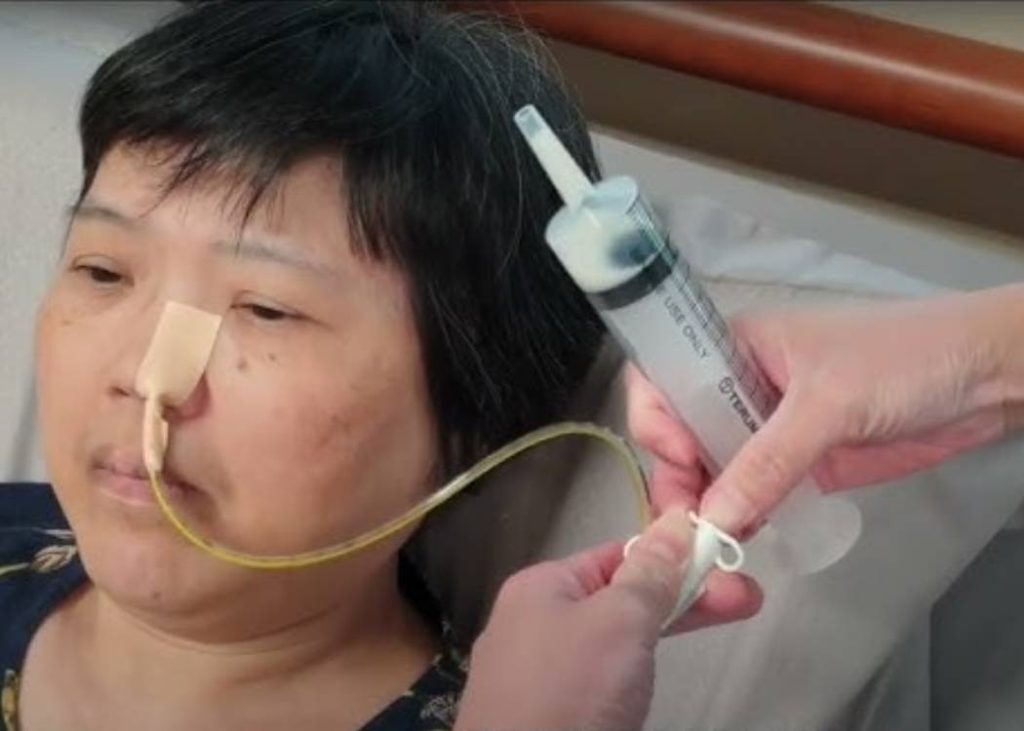
For critically ill patients who require continuous monitoring and life support, a Home ICU (Intensive Care Unit) can provide hospital-level care in the comfort of their own home. This setup is ideal for:
✔ Long-term ventilator-dependent patients
✔ Post-ICU recovery (trauma, stroke, major surgery)
✔ Advanced chronic illnesses (COPD, heart failure)
✔ Palliative & hospice care (comfort-focused support)
Essential Equipment for a Home ICU
| Category | Equipment Needed | Purpose |
| Oxygen & Breathing Support | – Portable ventilator – BiPAP/CPAP – Oxygen concentrator – Nebulizer |
Maintains proper oxygenation |
| Monitoring Devices | – Pulse oximeter – Blood pressure monitor – ECG machine – Glucose monitor |
Tracks vital signs in real time |
| IV & Medication Management | – IV infusion pumps – Feeding tube supplies – Syringe drivers (for pain meds) |
Ensures proper drug/nutrition delivery |
| Emergency Support | – Defibrillator (AED) – Suction machine – Emergency oxygen tanks |
Prevents & manages crises |
| Mobility & Safety | – Hospital bed (adjustable) – Hoyer lift – Bedside commode – Fall alarms |
Ensures patient safety & comfort |
Who Can Manage a Home ICU?
A multidisciplinary team is required:
- Critical care nurses (24/7 shifts)
- Respiratory therapists (for ventilator care)
- Physicians (remote supervision)
- Caregivers (family or trained aides)
Note: Some patients may qualify for home ICU services covered by insurance if deemed medically necessary.
Benefits of a Home ICU vs. Hospital ICU
| Factor | Home ICU | Hospital ICU |
| Environment | Familiar, less stressful | Sterile, clinical |
| Infection Risk | Lower (no hospital germs) | Higher |
| Cost | Often cheaper long-term | Very expensive |
| Family Involvement | High (loved ones can assist) | Restricted visiting hours |
Challenges of a Home ICU
⚠ High setup cost (ventilators, monitors, nursing care).
⚠ Caregiver burnout (requires 24/7 attention).
⚠ Power & equipment failures (need backup generators).
⚠ Insurance hurdles (not all policies cover home ICU).
Steps to Set Up a Home ICU
- Medical Assessment– Doctor confirms if home ICU is feasible.
- Equipment Procurement– Rent or buy devices (vendors like Apria, Lincare).
- Nursing Staff Arrangement– Hire trained ICU nurses.
- Home Modifications– Electrical backups, wheelchair access.
- Insurance Approval– Submit doctor’s orders for coverage.