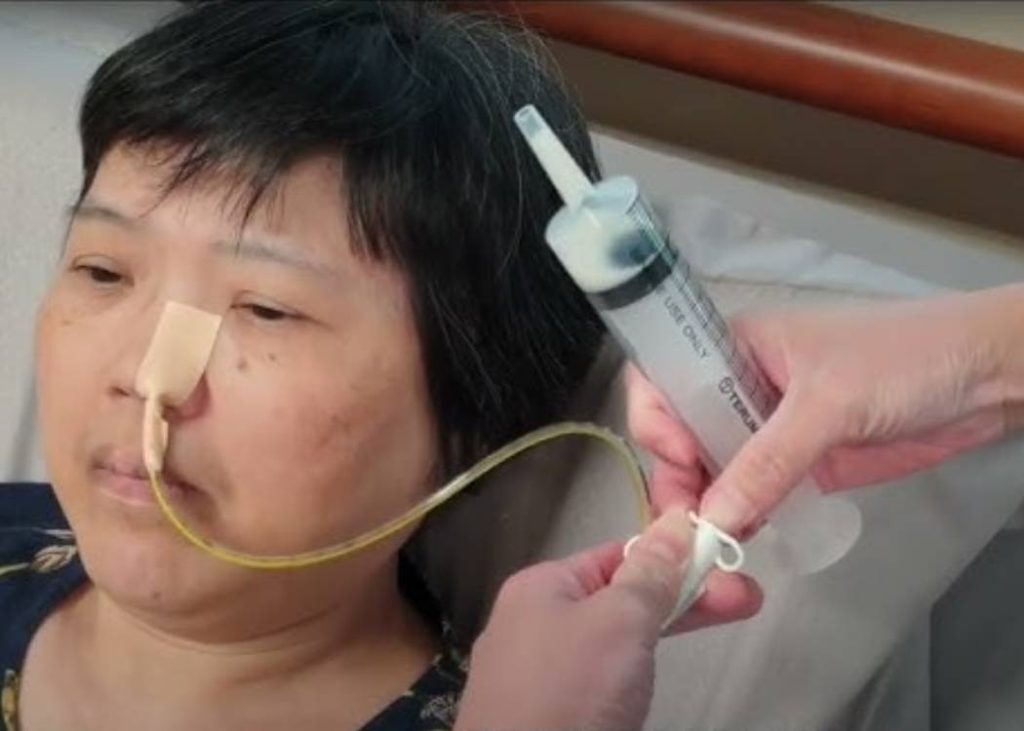
Palliative care is specialised medical care focused on relieving suffering and improving quality of life for people with serious, chronic, or life-limiting illnesses. Unlike hospice care, it can be provided at any stage of illness alongside curative treatments.
What is Palliative Care?
A patient-centred approach that addresses:
- Physical symptoms(pain, nausea, fatigue)
- Emotional & psychological distress(anxiety, depression)
- Social needs(family support, financial stress)
- Spiritual concerns(existential questions, grief)
Key Principle: “Adding life to days, not just days to life.”
Who Needs Palliative Care?
Patients with illnesses such as:
✔ Cancer
✔ Advanced heart, lung, or kidney disease
✔ Dementia & neurodegenerative disorders (ALS, Parkinson’s)
✔ HIV/AIDS
✔ Severe stroke or multiple chronic conditions
Myth Buster:
“Palliative care = giving up.”
✅ Truth: It helps patients live better while receiving treatment.
Palliative Care vs. Hospice Care
| Feature | Palliative Care | Hospice Care |
| Timing | Any stage of illness | Last 6 months of life |
| Treatment Goals | Curative + comfort care | Comfort-only care |
| Location | Hospitals, clinics, home | Usually home/hospice |
| Insurance | Covered by most plans | Medicare/Medicaid covers hospice |
The Palliative Care Team
A multidisciplinary team works together:
- Palliative care doctors(symptom management)
- Nurses(daily care coordination)
- Social workers(counseling, resources)
- Chaplain/spiritual care(emotional support)
- Pharmacists(pain/side effect management)
Benefits of Palliative Care
✅ Better pain & symptom control (e.g., opioid titration for pain)
✅ Reduced hospitalizations & ER visits
✅ Improved emotional well-being (less anxiety/depression)
✅ Help with difficult medical decisions (advance care planning)
✅ Support for caregivers (respite care, education)
Common Interventions
- Pain management(morphine, nerve blocks)
- Breathlessness relief(oxygen, bronchodilators)
- Anti-nausea medications
- Delirium management
- Wound care for bedsores
- Music/art therapy
When to Consider Palliative Care?
- Uncontrolled symptoms despite treatment
- Frequent hospital admissions
- Patient/family overwhelmed by medical decisions
- Declining ability to perform daily activities
Early referral = Better outcomes. (Don’t wait until crisis!)
How to Access Palliative Care?
- Ask your doctorfor a referral.
- Hospital-based teams(available in most major centers).
- Home-based programs(visiting nurses/specialists).
Key Takeaways
✔ Focuses on comfort + quality of life (not just end-of-life).
✔ Works alongside treatments like chemo or dialysis.
✔ Team includes doctors, nurses, social workers, chaplains.
✔ Early involvement improves outcomes.