Bladder irrigation is a procedure to flush the bladder with sterile fluid to remove clots, debris, or bacteria, commonly used for catheter blockage or severe UTIs.
1. Types of Bladder Irrigation
| Type | Purpose | Solution Used |
| Continuous Irrigation | Prevent clot formation (e.g., post-TURP, hematuria) | Normal saline (0.9%) |
| Intermittent Irrigation | Clear blockage or debris (e.g., catheter occlusion) | Saline + acetic acid (for encrustation) |
| Antiseptic Irrigation | Reduce bacterial load (e.g., recurrent UTIs) | Neomycin/polymyxin B (rarely used) |
2. When is Bladder Irrigation Needed?
✔ Blood clots blocking catheter (e.g., post-prostate surgery).
✔ Catheter sediment/debris causing obstruction.
✔ Severe UTI with pus/debris (adjunct to antibiotics).
✔ Chemical/drug-induced cystitis (e.g., cyclophosphamide).
Contraindications:
- Bladder perforation (risk of fluid extravasation).
- Uncontrolled UTI/sepsis (irrigation may spread bacteria).
3. Step-by-Step Bladder Irrigation
Supplies Needed:
✔ Sterile gloves
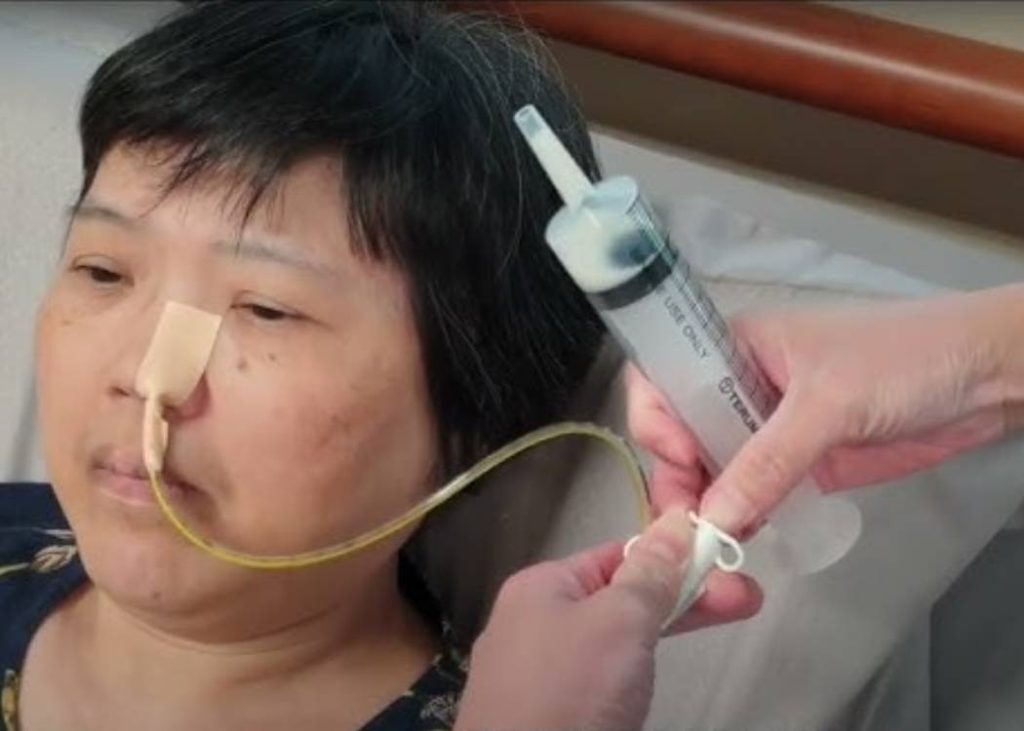
✔ 50–60 mL syringe + catheter tip
✔ Sterile normal saline (500–1000 mL bag)
✔ 3-way Foley catheter (for continuous irrigation)
✔ Kidney basin or drainage bag
Procedure (Intermittent Manual Irrigation):
- Hand hygiene, don sterile gloves.
- Clamp the Foley catheter below the aspiration port.
- Disconnect the catheter from the bag, and clean the port with alcohol.
- Instil 30–50 mL saline gently (do not force if resistance).
- Aspirate back to remove clots/debris (repeat until clear).
- Reconnect to the drainage bag, monitor output.
Continuous Irrigation (3-Way Foley):
- Connect the irrigation fluid bag to the 3rd lumen.
- Adjust flow rate to keep effluent pink/clear (not distended).
- Monitor for fluid balance (input vs. output).
4. Complications & Troubleshooting
| Complication | Signs | Action |
| Bladder Spasm | Pain, urgency | Slow irrigation, antispasmodics (e.g., oxybutynin) |
| Infection | Fever, cloudy urine | Stop irrigation, send urine culture |
| Blockage Persists | No return flow | Replace the catheter, consider cystoscopy |
| Fluid Overload | ↑ BP, ↓ Na⁺ (if glycine used in TURP) | Monitor electrolytes, diuretics if needed |
5. Post-Procedure Care
✔ Monitor urine output (should be clear/pink, not bloody).
✔ Document volume of irrigation fluid vs. drainage.
✔ Change catheter if recurrent blockage.