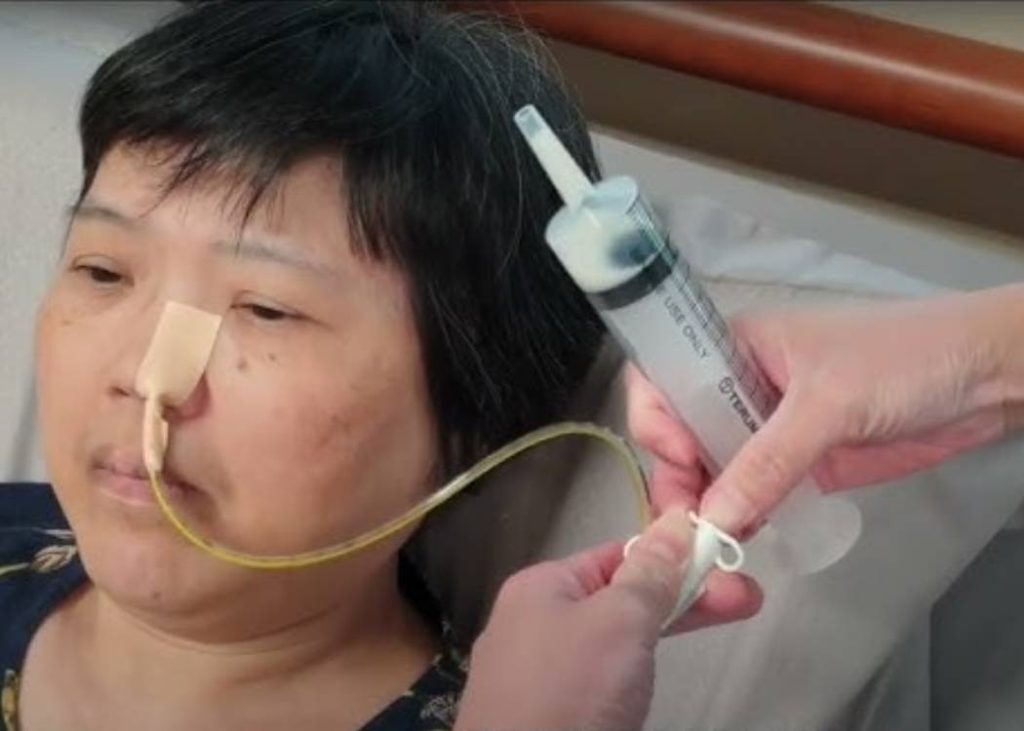
Caregivers play a vital role in assisting individuals who cannot fully care for themselves due to illness, disability, or aging. This guide covers types of caregivers, responsibilities, challenges, and support resources.
Who Needs a Caregiver?
✔ Elderly adults (Alzheimer’s, mobility issues)
✔ Chronic illness patients (cancer, Parkinson’s, COPD)
✔ Disabled individuals (physical/intellectual disabilities)
✔ Recovering patients (post-surgery, stroke rehab)
✔ Terminally ill patients (hospice care)
Types of Caregivers
| Type | Role | Setting |
| Family Caregiver | Unpaid, often a spouse/child | Home |
| Professional Caregiver | Trained (CNA/HHA), paid | Home/hospitals |
| Skilled Nurse (RN/LPN) | Medical care (wounds, injections) | Home/hospice |
| Respite Caregiver | Temporary relief for primary caregivers | Home/care facilities |
| Live-in Caregiver | 24/7 support | Home |
Key Responsibilities
1. Personal Care
- Bathing, dressing, toileting
- Feeding assistance (preventing choking)
- Mobility support (walking, transfers)
2. Medical Support
- Medication reminders
- Wound care, injections (if trained)
- Monitoring vitals (BP, glucose)
3. Household Help
- Meal preparation (special diets)
- Light housekeeping
- Grocery shopping
4. Emotional & Social Support
- Companionship (preventing loneliness)
- Transportation to appointments
- Encouraging hobbies/exercise
Challenges Caregivers Face
⚠ Physical Strain – Lifting patients, sleep deprivation.
⚠ Emotional Stress – Burnout, guilt, depression.
⚠ Financial Pressure – Unpaid family caregivers may quit jobs.
⚠ Lack of Training – Handling complex medical needs.
Signs of Caregiver Burnout:
- Constant exhaustion
- Irritability
- Neglecting personal health
Resources for Caregivers
1. Financial Aid
- Medicaid/Medicare(covers some home care).
- Veteran Benefits(Aid & Attendance program).
- Nonprofits(Alzheimer’s Association, Cancer Care).
2. Training & Support
- Red Cross Caregiving Courses(CPR, first aid).
- Support Groups(online/in-person).
- Respite Care Services(temporary relief).
3. Technology Aids
- Medical Alert Systems(Fall detection).
- Medication Dispensers(Auto-reminders).
- Caregiver Apps(CareZone, CaringBridge).
How to Hire a Professional Caregiver?
- Determine Needs(medical vs. personal care).
- Check Credentials(CNA, HHA, CPR certified).
- Use Agencies(BetterHelp, Home Instead – background checks included).
- Trial Period– Ensure compatibility.
Key Takeaways
✔ Caregivers assist with daily living & medical needs.
✔ Family caregivers often face burnout—support is crucial.
✔ Financial aid & training programs are available.
✔ Technology (apps, alert systems) can ease the burden.
“You can’t pour from an empty cup. Care for yourself, too.”