Proper wound dressing promotes healing, prevents infection, and manages exudate. The choice of dressing depends on wound type, depth, exudate level, and infection status.
1. Types of Wounds & Dressing Goals
| Wound Type | Key Characteristics | Dressing Goal |
| Acute (Surgical, Laceration) | Clean, edges approximated | Protect, absorb minimal drainage |
| Chronic (Diabetic Ulcer, Pressure Sore) | Poor healing, high infection risk | Debride, manage exudate, stimulate healing |
| Burns | Partial/full-thickness damage | Prevent infection, retain moisture |
| Necrotic/Eschar | Black/yellow dead tissue | Debride (autolytic/surgical) |
| Infected | Pus, odor, erythema | Control infection, absorb drainage |
2. Dressing Selection Guide
| Dressing Type | Best For | Advantages | Limitations |
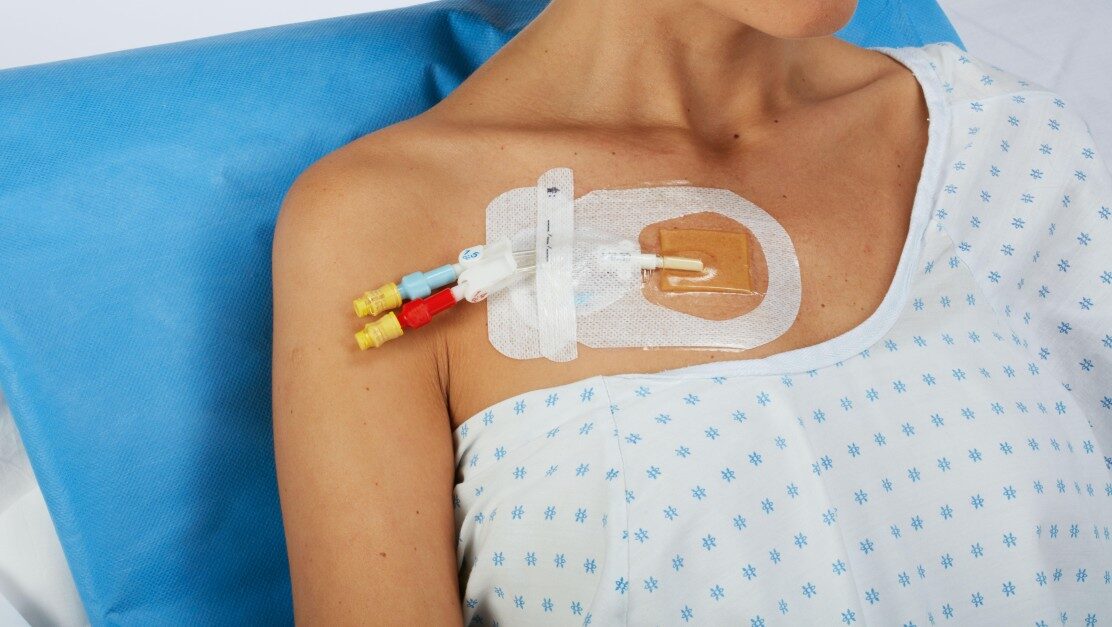
| Transparent Film (Tegaderm™) | Stage I pressure ulcers, IV sites | Waterproof, allows monitoring | Not for exudating wounds |
| Hydrocolloid (DuoDERM™) | Light exudate, partial-thickness wounds | Self-adhesive, promotes autolysis | Not for infected wounds |
| Hydrogel (Intrasite™) | Dry/necrotic wounds | Rehydrates, soothes pain | Needs secondary dressing |
| Alginate (Kaltostat™) | Heavy exudate, bleeding wounds | Highly absorbent, forms gel | Requires frequent changes |
| Foam (Allevyn™) | Moderate-heavy exudate | Cushions, reduces friction | Bulky, may need tape |
| Silver Dressings (Acticoat™) | Infected/high-risk wounds | Antimicrobial | Expensive |
| Negative Pressure (NPWT) / Vaccum Assisted Closure | Complex/surgical wounds | Enhances granulation, removes fluid | Requires device, costly |
3. Step-by-Step Wound Dressing Change
Supplies Needed:
✔ Sterile gloves
✔ Saline or wound cleanser
✔ Appropriate primary/secondary dressing
✔ Skin barrier wipes (for fragile skin)
✔ Scissors, tape, or wrap
Procedure:
- Hand hygiene & don gloves.
- Remove old dressing (moisten if adherent).
- Clean wound (saline irrigation, gentle wiping).
- Debride if needed (slough/necrotic tissue).
- Apply primary dressing (contact layer).
- Secure with secondary dressing (gauze, film, or wrap).
- Document wound appearance, size, exudate.
4. Key Principles in Wound Care
✅ TIME Framework:
- Tissue (remove non-viable tissue)
- Infection/Inflammation (control bioburden)
- Moisture balance (avoid maceration)
- Edge (advance epithelialization)
✅ Prevent Infection:
- Aseptic technique for acute wounds.
- Clean technique for chronic wounds at home.
✅ Optimize Healing:
- Offload pressure (for ulcers).
- High-protein diet, hydration.
5. When to Refer to a Specialist?
- Non-healing >4 weeks (vascular/endocrinology workup).
- Suspected osteomyelitis (bone infection).
Complex wounds (NPWT, surgical debridement needed).